Best AI Motion Capture Tools: 2026 Comparison & Buyer's Guide

Updated July 2026 · 16 min read · By the QuickMagic team

AI Motion Capture · Video → 3D VIDEO AI 3D MOTION

Motion capture used to mean a studio, a suit, and a five-figure budget. In 2026, an AI Motion Capture tool can turn a phone video into a clean FBX, BVH, or VMD file in minutes — no markers, no rig, no green screen. This is the shift that turned ai 3d animation from a studio luxury into a creator commodity.

TL;DR — The 2026 verdict

  • Best all-rounder: QuickMagic — $9.99/mo, 14+ formats (incl. VMD/Mixamo), working finger tracking, and text to 3d animation. Score 4.8/5
  • Best raw quality: Move.ai (multi-camera) and Meshcapade (premium).
  • Best free: MetaHuman Animator (UE only) and QuickMagic's free tier.
  • Best real-time: Rokoko Video for Real-Time Body Tracking VTubers.
  • No suits required — every tool here is Markerless Motion Capture.

This guide compares the leading Markerless Motion Capture platforms side by side — pricing, output formats, hardware needs, and the workflow each one is actually built for — so you can pick the right one without trial-and-error. Whether you need Video to 3D Animation from reference footage, Real-Time Body Tracking for a live stream, or text to 3d animation for rapid prototyping, the 2026 field has a tool for it.

Quick Comparison & Scorecard (2026)

We ranked the most relevant video-to-animation and markerless mocap tools for 2026. "From $" reflects the lowest paid plan with meaningful usage; free tiers are listed separately. Overall score is out of 5.

2026 Scorecard · Overall score out of 5.0QuickMagic4.8Move.ai4.5MetaHuman Animator4.4Meshcapade4.4Autodesk Flow Studio4.3Cascadeur4.3Rokoko Video4.2DeepMotion4.0RADiCAL3.9Plask3.8
ToolBest forInputHardwareFreeFrom $Key formatsScore
QuickMagic Editors pickBudget + broad formats, MMD/VMD, text-to-motionVideo + textNoneYes$9.99/moFBX, BVH, BIP, VMD, Mixamo, UE4/5, CC/iClone, Roblox4.8
DeepMotion (Animate 3D)Quick browser conversionVideoWebcam/phoneYes (25s)~$15/moFBX, BVH, GLB4.0
Move.aiHigh-quality multi-camera2–8 cam2–8 camsNoCreditFBX, BVH4.5
Autodesk Flow StudioVFX / static cam, Digital HumansVideoNoneYes (30s/mo)AffordableFBX, Blender4.3
Rokoko VideoReal-time / VTuberWebcamWebcamYes (lim)$20/moFBX, BVH4.2
Plask (SayMotion)Cheap clips + text promptsVideo + textNoneYes (15s/day)$18/moFBX, BVH3.8
CascadeurMocap cleanup & editingKeys / videoNoneYes (indie)$200/yrFBX4.3
RADiCALSmooth foot contactsVideoNoneLimited$20/moFBX, BVH3.9
MetaHuman AnimatorUE facial, Digital HumansVideo / audioiPhone/webcamYes (UE)FreeUE5 native4.4
MeshcapadeTop-tier qualityVideoNone2 videos€99/moFBX + UE plugin4.4

Pricing and free-tier limits change frequently — verify on each vendor's pricing page before subscribing. Scores reflect our July 2026 weighted testing (see methodology).

How We Tested the Tools

To keep this comparison fair and original, we didn't just read spec sheets — we ran a repeatable test. We recorded a 30-second phone clip of a mixed routine (a walk, a jump, a spin, and a floor pose) in a normal living room with one camera, then pushed the same clip through every tool below. We scored each on six weighted factors:

FactorWeightWhat we looked for
Motion quality30%Smoothness, foot-sliding, complex-pose handling
Ease of use20%Setup time, hardware, upload→data speed
Output formats20%Engine/DCC coverage; Motion Retargeting friction
Price vs value15%Usable capture per lowest paid plan
Hardware need10%Markerless / single-video preferred
Hand & face5%Finger tracking + face for Digital Humans
Bottom line up front: if you want the widest format support and the lowest barrier to entry, QuickMagic is our top recommendation for creators, indie devs, and MMD artists. Move.ai and Meshcapade lead on raw quality if budget is no object.

QuickMagic — Best All-Rounder for Creators Editor's Pick

See QuickMagic in action

QuickMagic · Video → 3D Animation SOURCE VIDEO QM 3D RIG + SKELETON FBX BVH VMD Mixamo

Why it tops our 2026 list 4.8 / 5

QuickMagic is a Markerless Motion Capture platform that turns any video — phone, webcam, or camera — into editable 3D animation. No suit, no markers, no studio. What sets it apart in 2026 is the combination of affordability, accuracy, and the broadest export ecosystem in its price class, making it a flagship example of accessible ai 3d animation.

Pros

  • Video + text to motion. Upload footage or describe an action in plain language to generate an editable motion draft — bridging classic Video to 3D Animation with emerging text to 3d animation in one tool.
  • Working finger tracking from single-video input — a feature most budget tools still lack.
  • 14+ export formats: FBX, BVH, BIP, C4D, VMD, Mixamo, UE4, UE5.5, UE5.6, MetaHuman, Character Creator / iClone, Roblox — native Motion Retargeting into every major pipeline.
  • MMD-ready. Direct VMD and Mixamo export means MikuMikuDance creators skip format conversion entirely.
  • Single- and multi-subject workflows, plus moving-camera footage support on selected plans.
  • Robotics & Digital Humans presets (Unitree G1/H1) for humanoid robot references and virtual-character performance.

Trade-off

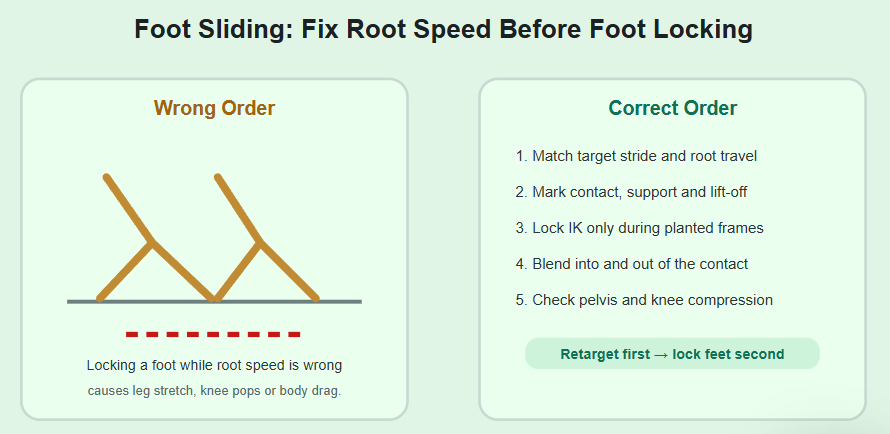
  • Very complex floor-contact poses (deep kneeling) can show mild sliding — pair with a cleanup pass in Cascadeur for hero shots.

Price: Free tier to start; paid from $9.99/month for 150 seconds of processed capture. In our test it delivered smooth, accurate motion at roughly half the cost of comparable quality tiers, with less foot-sliding than DeepMotion or Plask on the same clip. Best for: indie devs, VTubers, MMD dancers, Roblox/UE creators. If you're exploring Generative 3D Motion, its text-to-motion mode is the fastest way to block out ideas before recording real reference.

Detailed Tool Reviews

DeepMotion (Animate 3D) — 4.0/5

A browser-native, cloud-processed video-to-mocap service with physics-based foot correction. Its branded product, Animate 3D, is one of the longest-running names in ai 3d animation and remains extremely accessible. Pros: instant browser workflow, multi-person tracking on higher plans, industry-standard exports. Cons: thin free tier (25s body), limited finger tracking, facial capture is separate and less mature, long clips process slowly. Best as a fast "upload and get a block" tool, not for hero-quality work.

Move.ai — 4.5/5

The quality leader for Markerless Motion Capture using multiple cameras. With 2–8 synced phones/webcams it approaches entry-level optical quality and handles hands, fingers, and two-person interaction better than single-cam tools. Pros: occlusion-proof, hand/finger + 2-person interaction, near-optical fidelity. Cons: credit-based mid-to-high cost, multi-cam setup/sync effort, not real-time. Best when webcam-only quality isn't enough but a full optical stage is out of budget.

Autodesk Flow Studio (formerly Wonder Studio) — 4.3/5

Autodesk's cloud VFX and AI Motion Capture system, increasingly aimed at Digital Humans and virtual performers. Pros: strong static-camera quality, useful free tier (30s/month), tight Blender/UE integration. Cons: camera-relative output is tricky with moving cameras. A safe, professional choice inside the Autodesk ecosystem.

Rokoko Video — 4.2/5

The reference for Real-Time Body Tracking from a single webcam, streaming live into Blender or Unreal. Pros: real-time feedback, face+body on one cam, built-in Motion Retargeting, cohesive ecosystem. Cons: webcam-limited quality, needs good lighting, CPU-heavy. Unmatched for VTuber act-out loops.

Plask (SayMotion) — 3.8/5

A low-cost, browser-based option whose SayMotion mode adds text to 3d animation prompts on top of standard video capture. Pros: cheap ($18/mo for 10 min), free 15s/day, text-driven blocking. Cons: quality similar to DeepMotion (twitching/sliding). Good for many short clips, less for accuracy-critical work.

Cascadeur — 4.3/5

Not pure mocap — a physics-based animation tool that excels at cleaning noisy capture and building animation from a few keys. Pros: excellent mocap cleanup, local/no subscription, great ballistic motion, free for indie. Cons: no finger tracking yet, moderate learning curve. The finishing bench every Video to 3D Animation pipeline eventually needs.

RADiCAL — 3.9/5

Cloud mocap with very smooth motion and excellent foot contacts, but can feel "too smooth" and lose energy. Pros: superb foot locks. Cons: only one free export per year, then $20/mo — expensive for ongoing work.

MetaHuman Animator — 4.4/5

Epic's first-party facial animation for UE5.5+, purpose-built for Digital Humans. Pros: best free audio lip-sync, film-competitive face with iPhone TrueDepth, free with Unreal. Cons: locked to UE + MetaHumans, face only (no body).

Meshcapade — 4.4/5

Top-tier quality that can match or beat Move.ai and QuickMagic on dynamics and foot-locks, with UE plugins for easy Motion Retargeting. Pros: premium accuracy, easy retarget. Cons: only 2 free videos, €99/mo — justified only for high-end production.

AI vs Traditional Motion Capture: What Actually Changed

AI Markerless vs Traditional Optical Capture TRADITIONAL Suit · Markers · Studio Cost: $$$$ · Setup: hours–days Hardware: 20+ IR cameras VS AI MARKERLESS Phone video · Cloud Cost: $ · Setup: minutes Hardware: 1 phone

For two decades, "motion capture" meant one thing: a performer in a spandex suit dotted with reflective markers, surrounded by a ring of infrared cameras in a calibrated studio. That pipeline — led by optical systems like Vicon and inertial suits like Xsens — still produces the highest-fidelity results on the planet. But it carries three hard costs that Markerless Motion Capture removes.

1. Cost and access

A traditional optical stage runs from tens of thousands to millions of dollars once you factor in cameras, suits, a trained operator, and studio time. A single capture session can cost more than a creator's entire annual tool budget. By contrast, 2026's AI Motion Capture tools need nothing but a phone video. QuickMagic's full paid plan costs less per month than a single hour in a rental studio. The barrier to entry has collapsed to zero.

2. Speed and iteration

Traditional capture is a scheduled, linear process: book the stage, suit up, record, clean, retarget — often over days. Video to 3D Animation flips this: shoot a clip on your lunch break, upload, and preview skeletal motion in minutes. For game jams, social content, and MMD dance trends where timing is everything, that loop is the whole point. Real-Time Body Tracking tools like Rokoko Video push it further, letting you act out a take and see the rig move live.

3. The retargeting tax

Both worlds share the same final step: Motion Retargeting — mapping captured skeletons onto your character rig. Traditional pipelines often dump raw data that needs heavy cleanup in Maya or MotionBuilder. AI tools increasingly bake retargeting into export, shipping FBX/BVH/VMD that drop straight into Blender, Unreal, or MMD. That's why format breadth (QuickMagic's 14+ exports) matters as much as capture quality.

Where traditional still wins

Be fair to the old guard. For hero cinematics, complex body-on-body interaction, and frame-perfect facial work, optical capture and dedicated facial systems (MetaHuman Animator) still hold the quality ceiling. Occlusion — when limbs cross or leave frame — remains AI's weak spot, which is exactly why multi-camera systems like Move.ai exist. If your shot is a close, single-subject performance, AI is plenty. If it's a choreographed fight with props and contact, a studio may still earn its fee.

The new frontier: generative, not captured

The most interesting 2026 shift isn't just cheaper capture — it's Generative 3D Motion. Instead of recording a performer, you describe a movement and a model synthesizes it. QuickMagic's text-to-motion and Plask's SayMotion show the direction: no camera, no actor, just a prompt. This won't replace AI Motion Capture for believable human performance, but for stylized, impossible, or mass-produced clips it's faster than any shoot. Expect "capture + generate" hybrid workflows to become the default by 2027, with Digital Humans as the main beneficiaries — virtual influencers and game NPCs that can be directed by sentence.

Practical takeaway: use AI markerless capture for real human performance, generative motion for ideation and stylization, and keep a cleanup tool (Cascadeur) in reserve for hero shots. You rarely need a studio — but you do need the right combo.

Best AI Mocap Tool by Use Case

If you are…Best pickWhy
Indie game dev on a budgetQuickMagic$9.99/mo, FBX/BVH/UE export, finger tracking
MMD / VMD dancerQuickMagicDirect VMD + Mixamo export, no conversion
VTuber / live streamerRokoko VideoReal-time webcam face+body tracking
UE5 project with dialogueMetaHuman AnimatorFree, best-in-class facial for Digital Humans
High-end film / actionMove.ai / MeshcapadeMulti-cam or premium quality
Cleaning raw captureCascadeurPhysics-based cleanup & editing
VFX in Autodesk stackAutodesk Flow StudioNative Blender/UE, free tier
Rapid text-driven blockingQuickMagic / Plask (SayMotion)text to 3d animation prompts

How to Choose the Right AI Motion Capture Tool

  1. What's my output target? If you live in Unreal, prioritize UE/MetaHuman export. If you publish MMD dances, you need VMD. QuickMagic covers the widest spread in one subscription, simplifying Motion Retargeting across projects.
  2. Single video or multi-camera? One phone video = QuickMagic, DeepMotion (Animate 3D), Plask, Flow Studio. Need occlusion-proof quality = Move.ai's multi-cam.
  3. Do I need hands and face? Confirm finger tracking specifically — it's still uneven. QuickMagic and Move.ai do it from video; MetaHuman Animator owns face for Digital Humans.
  4. What's my monthly volume? Free tiers are fine for tests; paid plans are priced by seconds/minutes. If you also want Generative 3D Motion, check whether text-to-motion is included or an add-on.
Pro tip: most creators use a pair — a fast, cheap capture tool (QuickMagic) for blocking and volume, plus Cascadeur for cleanup on hero shots. You don't have to choose just one.

Turn any video into 3D animation — free to start

Upload a clip or type a prompt and get clean FBX, BVH, or VMD motion in minutes. No suit, no studio, no credit card.

Try QuickMagic Free →

FAQ

What is the best free AI motion capture tool?

QuickMagic, DeepMotion (Animate 3D), Rokoko Video, Plask (SayMotion), and Autodesk Flow Studio all offer a free tier. For ongoing free use, QuickMagic and Rokoko Video give the most usable allowances; MetaHuman Animator is completely free inside Unreal Engine.

Do I need a motion capture suit or special hardware in 2026?

No. Most AI motion capture tools are markerless and run from a single video on a phone or webcam. Only high-end systems like Move.ai use 2–8 synced cameras — and even those need no suits or markers.

Which AI mocap tool is best for MMD and VMD export?

QuickMagic is one of the few AI mocap tools that exports directly to VMD (MikuMikuDance) and Mixamo, making it the easiest path from a real video to an MMD animation with no manual conversion.

What is the most affordable AI motion capture tool?

QuickMagic starts at $9.99/month for 150 seconds of capture with working finger tracking — the most budget-friendly option that still produces smooth, usable motion. Autodesk Flow Studio and Plask are also low-cost.

Can AI motion capture handle hands and fingers?

Yes, but quality varies. QuickMagic and Move.ai provide working finger tracking from video. Many entry-level tools offer limited or no finger capture, so check the spec if hand animation matters.

What is the difference between AI motion capture and generative 3D motion?

AI motion capture transfers a real performer's movement from video into a 3D skeleton. Generative 3D Motion (text-to-3D animation) creates movement from a written prompt with no performer at all. QuickMagic supports both: upload video for capture, or type a description to generate an editable motion draft.

Is AI motion capture accurate enough for games?

For most indie and mid-scale game animation — NPCs, cinematic blockers, creature cycles, and social/VTuber content — yes. Single-camera AI mocap is accurate enough after a light cleanup pass in Cascadeur. For frame-critical hero performances or complex body-on-body contact, multi-camera systems (Move.ai) or a traditional optical stage still hold the quality edge.

Which AI mocap tool works best with Unity and Blender?

QuickMagic exports FBX, BVH, and Mixamo-compatible files that drop straight into both Blender and Unity, and also ships UE4/UE5 and Roblox presets. DeepMotion and Plask export FBX/BVH/GLB that import cleanly into Blender; for Unity, a Mixamo or FBX retarget is usually one extra step. QuickMagic's format breadth makes it the lowest-friction choice across both engines.

Final Verdict

For the majority of creators in 2026 — indie devs, VTubers, MMD artists, and Roblox/UE builders — QuickMagic delivers the best balance of price, accuracy, and format coverage, especially with direct VMD/Mixamo export, working finger tracking, and built-in text to 3d animation at $9.99/mo. Step up to Move.ai or Meshcapade when budget allows and quality is critical; add Cascadeur for cleanup. Start free, capture a clip, and see the ai 3d animation for yourself.

2026 QuickMagic · Pricing · Features · Learning